


South Africa enjoys abundant sunshine, but with that comes a higher risk of UV exposure and skin cancer. Despite the warm climate and outdoor lifestyle, many South Africans still underestimate the risks of unprotected sun exposure. Early detection of skin cancer can save lives so knowing what to look for is critical.
Why South Africans Are at Risk
South Africa experiences high levels of UV radiation throughout the year. While people with lighter skin tones (Fitzpatrick types I–III) are at the highest risk, it's a common misconception that darker skin tones don’t develop skin cancer. The truth is that anyone can get skin cancer, and it’s often diagnosed at later stages in darker-skinned individuals due to lower awareness.
Common Types of Skin Cancer in South Africa
The three main types of skin cancer are:
-
Basal Cell Carcinoma (BCC): The most common type. Often appears as a shiny bump or pink growth on sun-exposed areas like the face or neck. It grows slowly and rarely spreads.
-
Squamous Cell Carcinoma (SCC): Typically shows up as a scaly patch, open sore, or raised growth that may crust or bleed. Common on the ears, lips, and hands.
-
Melanoma: The most dangerous form. It can develop in existing moles or appear as a new dark spot. Melanoma grows and spreads quickly, making early detection vital.
Warning Signs: The ABCDEs of Melanoma
Use this rule to check your moles and spots:
-
A – Asymmetry: One half doesn't match the other.
-
B – Border: Irregular, scalloped, or poorly defined edges.
-
C – Colour: Uneven colour or multiple shades (brown, black, red, white, or blue).
-
D – Diameter: Larger than 6mm (about the size of a pencil eraser).
-
E – Evolving: Changes in size, shape, colour, or elevation—or new symptoms like bleeding or itching.
How to Check Your Skin
Do a full-body skin check once a month. Look at your:
-
Face, ears, and neck
-
Arms, hands, and between fingers
-
Chest, stomach, and back
-
Legs, feet, soles, and under toenails
-
Hard-to-see areas: use a mirror or ask a partner
Take note of any new or changing moles or spots. Keep track with photos if needed.
Prevention Tips for Every Skin Tone
-
Wear SPF daily - Even on cloudy days. Choose broad-spectrum sunscreen with SPF 30+ and reapply every two hours when outdoors.
-
Seek shade – Especially between 10am and 4pm when UV is strongest.
-
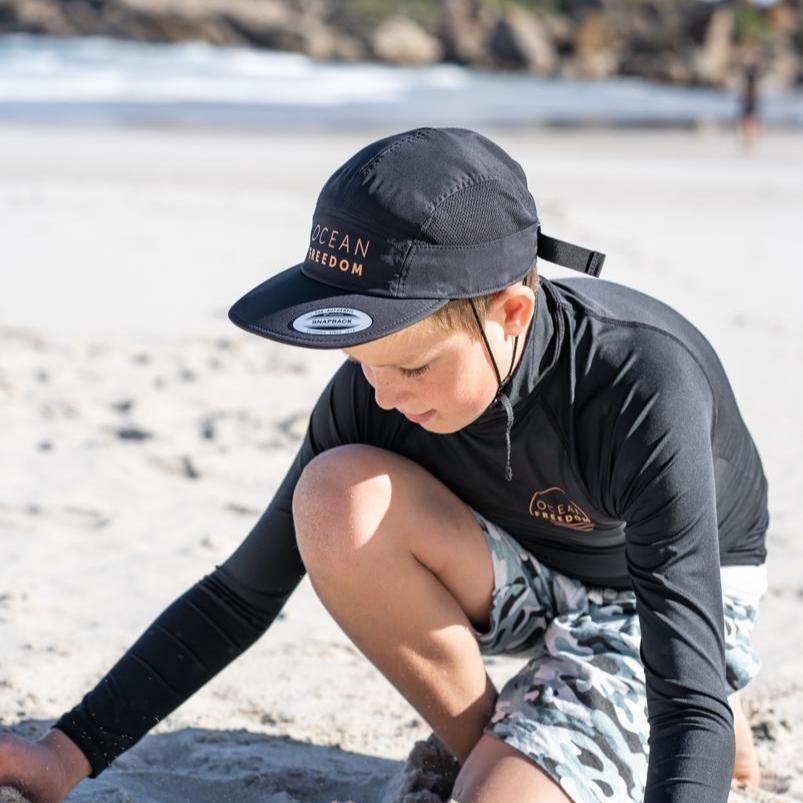
Cover up – Use hats, sunglasses, and UV-protective clothing.
-
Avoid tanning beds – Artificial UV rays increase your risk.
-
Get regular skin checks – Visit a dermatologist annually or if you notice anything suspicious.
Don't Ignore Suspicious Spots
The earlier skin cancer is found, the easier it is to treat. If you notice a mole or spot that doesn’t look right or keeps changing, don’t wait see a dermatologist as soon as possible.
Skin cancer is one of the most common but also one of the most preventable forms of cancer in South Africa. Whether you’re at the beach, on a hike, or simply running errands, make sun protection a daily habit. Knowledge, prevention, and early action could save your life.
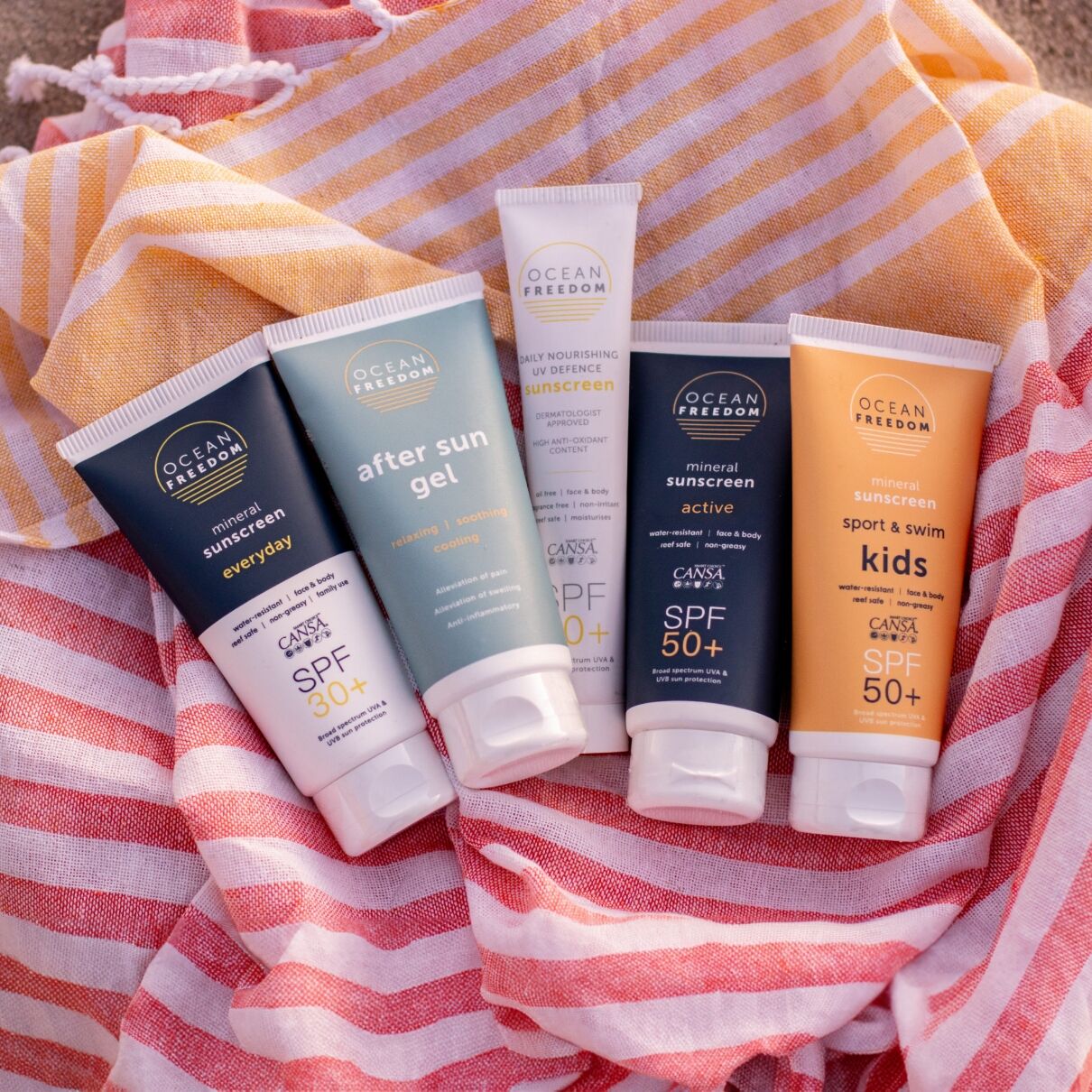
🌞 Protect your skin. Protect your future. Learn more with Ocean Freedom’s sun-safe solutions. https://oceanfreedom.com/collections/all
Beat Melanoma through Early Detection - Two Survivors Tell Their Story https://www.youtube.com/watch?v=S2mf1hveMVo&t=13s

Photo: Naniki Seboni – Photo Credit: Zahira Amod & Oncology Buddies