


Sunscreen myths are widespread and some of them are genuinely harmful. Here are the most common ones we hear and what the science actually says.
Myth 1: "Dark skin doesn't need sunscreen."
False. While higher melanin content provides some natural UV protection (estimated at roughly SPF 13 in very dark skin), it does not prevent UV damage, pigmentation, or skin cancer. In South Africa, skin cancer is underdiagnosed in darker skin tones partly because of this myth and when diagnosed, it's often at a more advanced stage. Sun protection applies to every skin tone (Cancer Council Australia, 2026; CDC, 2026). Ocean Freedom's tinted SPF range is specifically designed to blend naturally across a range of African skin tones.
Myth 2: "I only need sunscreen at the beach."
False. UV radiation is present all day, every day not just during beach visits. UV rays penetrate cloud cover (up to 80%), reflect off buildings, roads and water and pass through glass. Daily SPF protects against cumulative UV exposure the kind that adds up quietly over a lifetime and causes the majority of skin ageing and pigmentation (CDC, 2026; ACP, 2013).
Myth 3: "I already have a tan, so I'm protected."
False. A tan is a sign of UV damage it is the skin's defensive response to DNA injury, not evidence of protection. A deep tan provides approximately SPF 2–4 of additional protection at most (Skin Cancer Foundation, 2023). This means ongoing UV exposure continues to cause damage even on tanned skin.
Myth 4: "Applying once in the morning is enough."
False for active or outdoor time. Sunscreen degrades in UV light, washes off in water and sweat and is rubbed off by towels. For anyone spending time outdoors, swimming, exercising, or in and out of water: reapply every 2 hours, or every 40–80 minutes in water (Cleveland Clinic, 2025).
Myth 5: "Natural oils protect against UV."
False. No plant oil coconut, raspberry seed, argan, olive provides meaningful or reliable SPF. Some natural oils have been anecdotally linked to SPF values, but no clinical testing supports using them as sunscreen substitutes (Cancer Council Australia, 2026; Sustainable Travel, 2019).
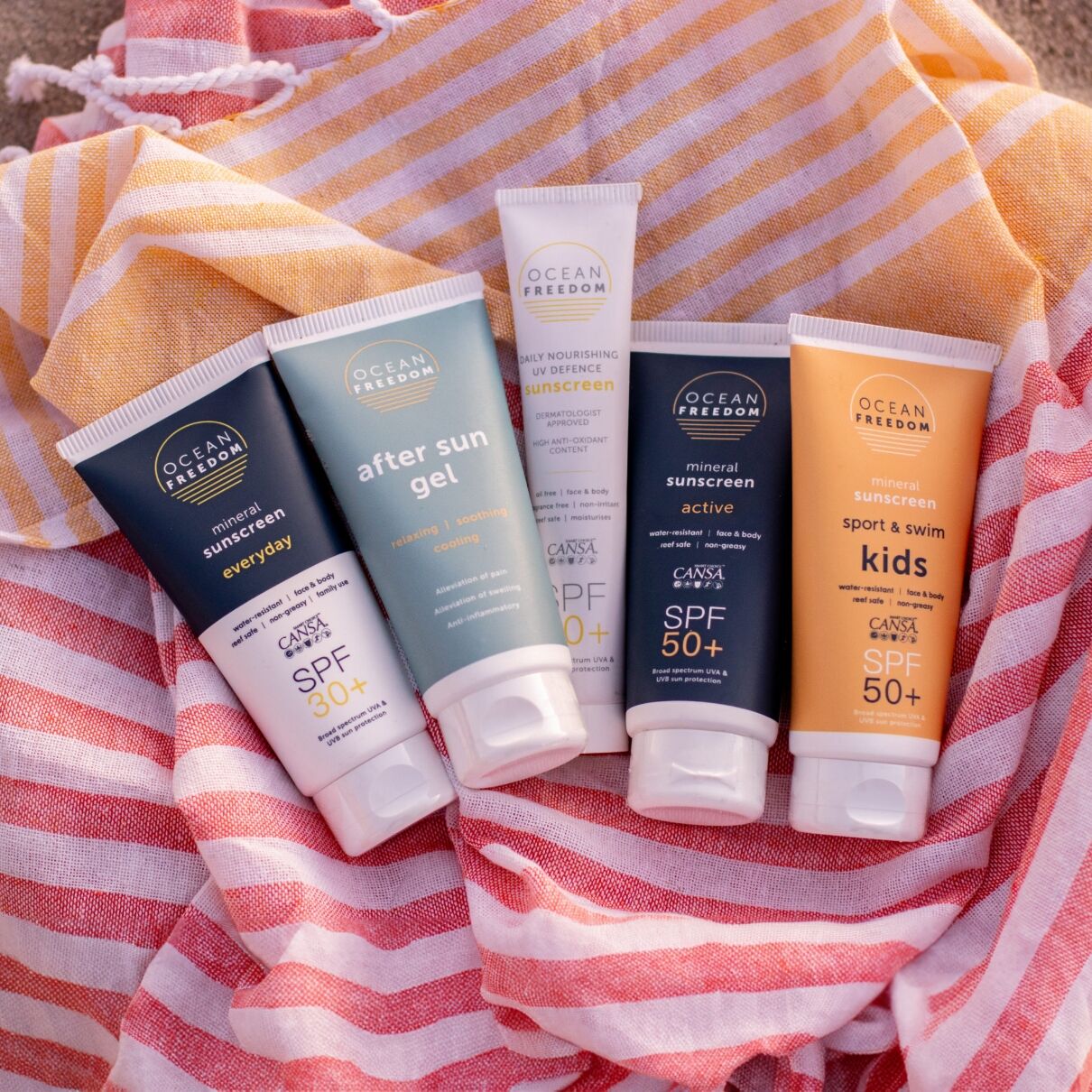
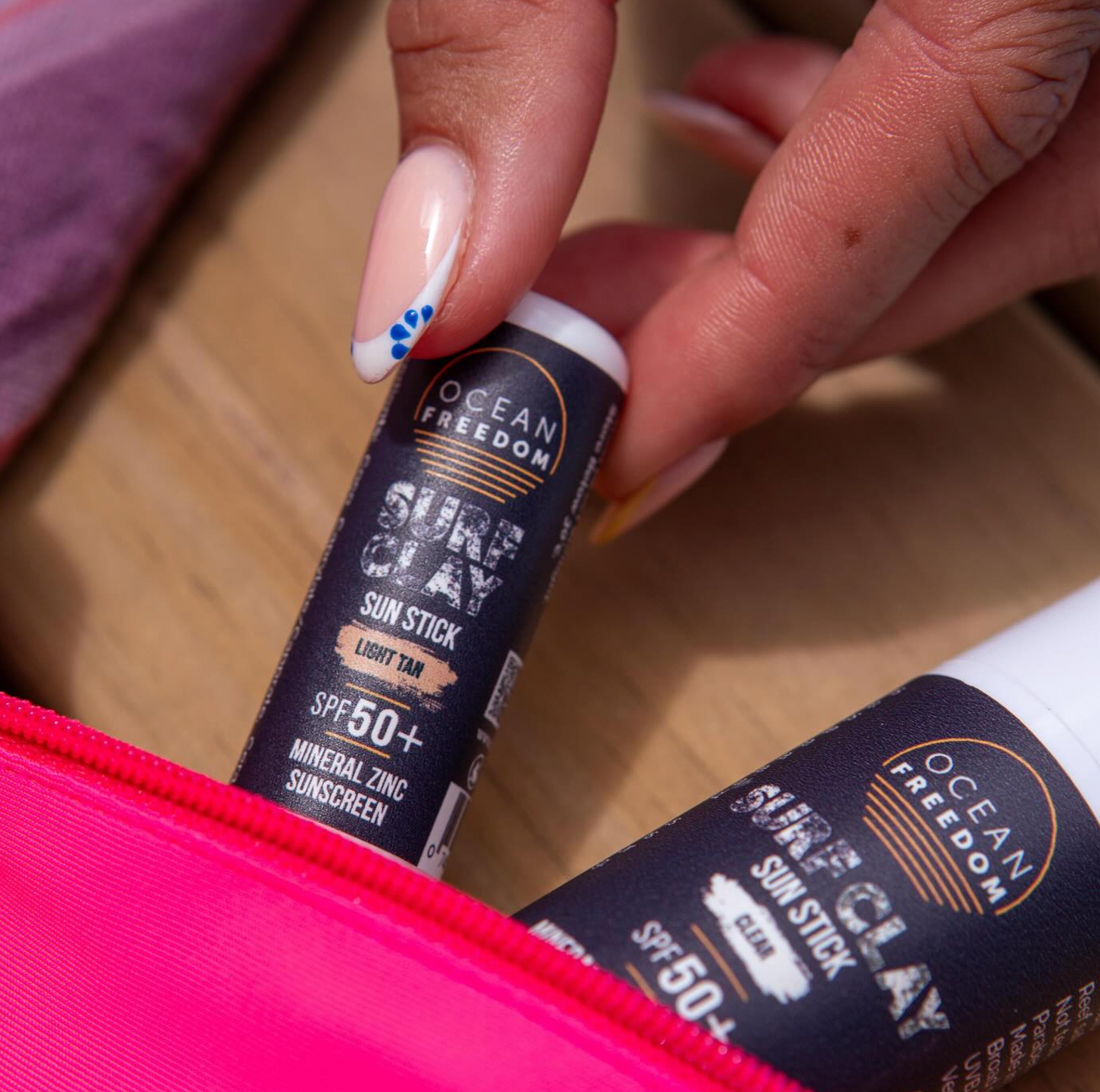
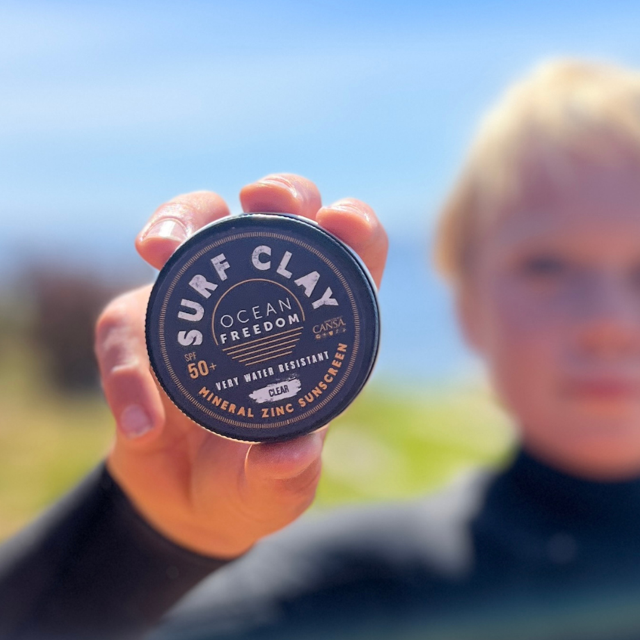
👉 Facts over myths. CANSA-approved mineral sunscreen for the whole family. Shop Ocean Freedom at oceanfreedom.com
References:
Cancer Council Australia (2026). The Science Behind Sunscreen and SPF. https://www.cancer.org.au/cancer-information/causes-and-prevention/sun-safety/sunscreen/science
CDC (2026). Sun Safety. https://www.cdc.gov/skin-cancer/sun-safety/index.html
Skin Cancer Foundation (2023). Does a High SPF Protect Better? https://www.skincancer.org/blog/ask-the-expert-does-a-high-spf-protect-my-skin-better/
Cleveland Clinic (2025). How Often Should You Reapply Sunscreen? https://health.clevelandclinic.org/how-often-to-reapply-sunscreen
ACP (2013). Daily sunscreen use slows skin aging. https://www.acponline.org/acp-newsroom/daily-sunscreen-use-slows-skin-aging-even-in-middle-age