


There is something deceptive about March in South Africa. The air cools slightly. The mornings feel softer. Summer holidays are over. And with that shift comes a quiet assumption that the dangerous sun has passed.
It hasn’t.
According to the South African Weather Service (SAWS), UV index levels across much of South Africa remain in the high to very high category during March, particularly between 10am and 3pm. A UV Index of 6 or above is classified as high risk, meaning unprotected skin can burn in as little as 15–30 minutes depending on skin type.
This aligns with global guidance from the World Health Organization (WHO), which developed the International UV Index as a public health tool to help people understand daily sun exposure risk. The WHO makes it clear: when the UV Index reaches 3 or above, sun protection is recommended. In South Africa during March, midday readings frequently sit well above that threshold.
The danger is not only sunburn.
The Cancer Association of South Africa (CANSA) emphasises that ultraviolet radiation is the primary environmental cause of skin cancer. South Africa has one of the highest incidences of skin cancer globally, particularly among fair-skinned populations, but all skin types are affected by cumulative UV exposure. CANSA’s SunSmart guidance stresses that protection should be practiced year round not only in peak summer.
Many people associate sunscreen with heat. But your skin does not measure temperature. It measures radiation.
There are two main types of ultraviolet rays that reach the earth’s surface: UVB, which causes visible burning, and UVA, which penetrates deeper into the skin and contributes to premature ageing, pigmentation and long-term cellular damage. The American Academy of Dermatology confirms that UVA rays remain relatively constant throughout the year and can penetrate clouds and glass. That means autumn light does not equal autumn safety.
In cities like Johannesburg, altitude increases UV intensity. Along the coast, clear autumn skies can amplify exposure. School sport continues. Trail races continue. Surf season continues. Outdoor living continues. The radiation does too.
This is why daily sunscreen use in South Africa should not be seasonal.
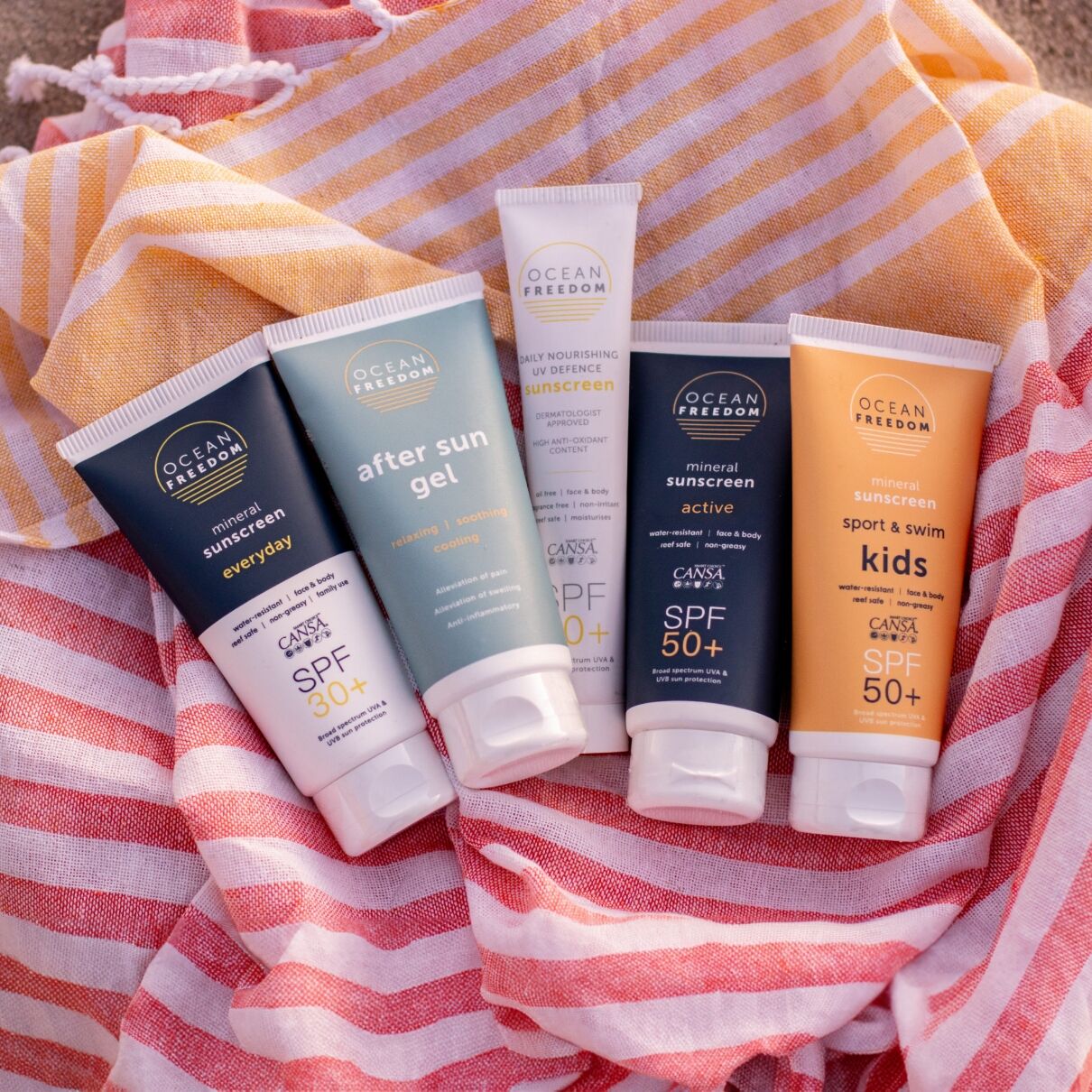
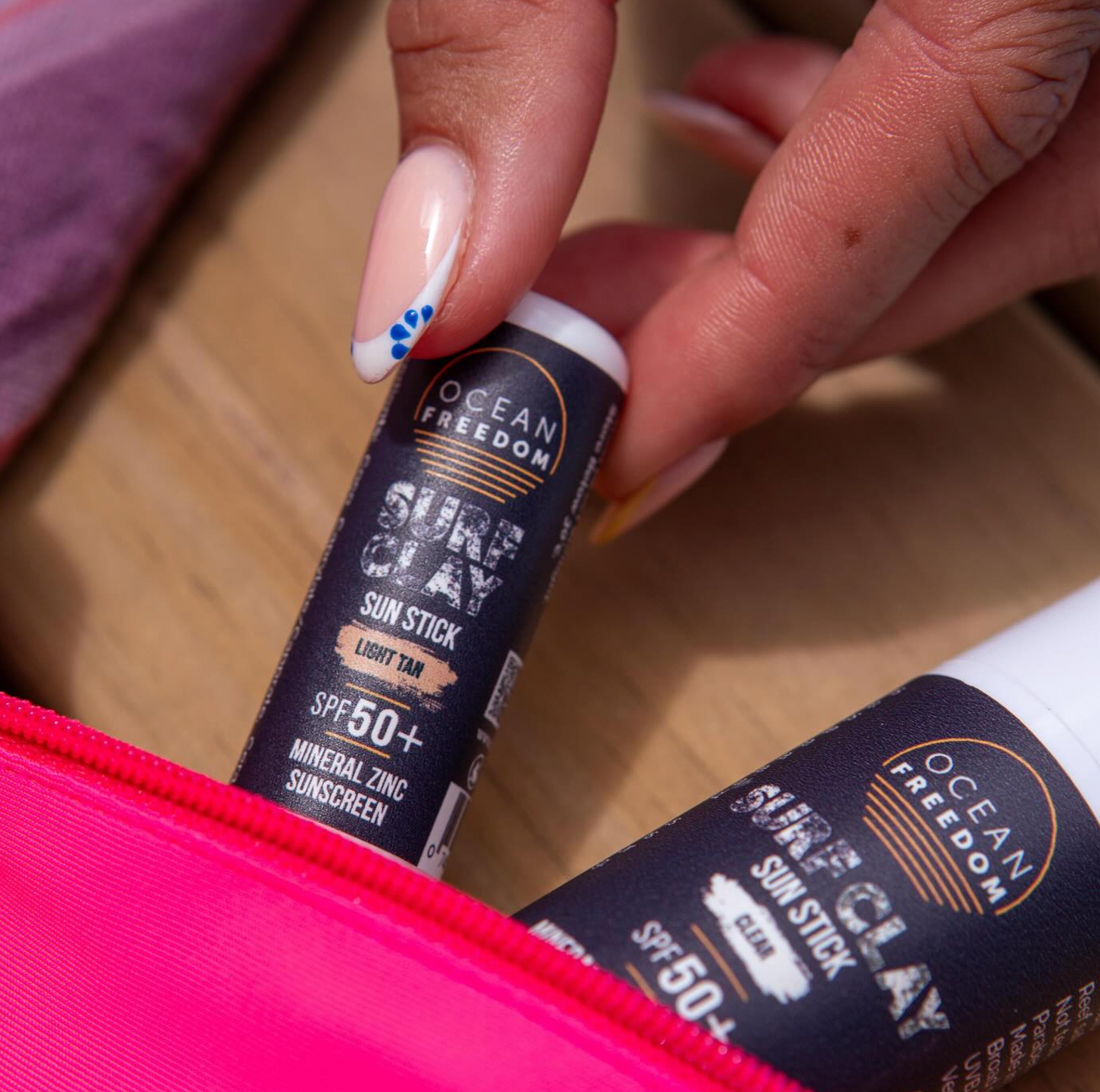
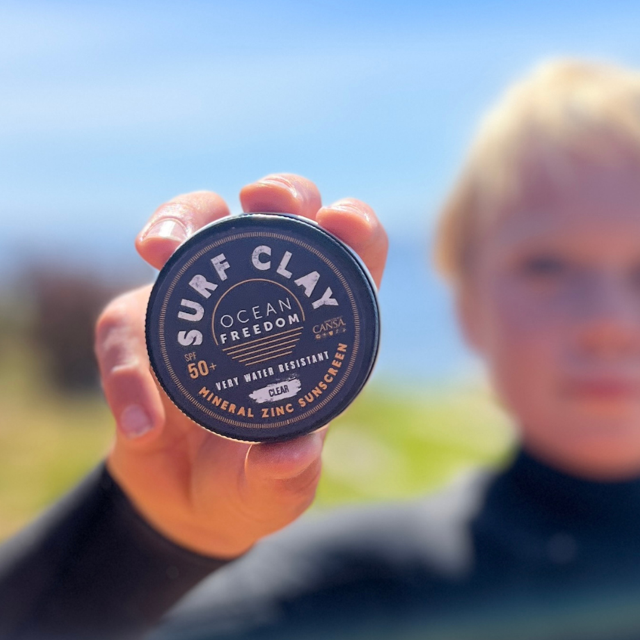
Mineral sunscreen works by forming a physical barrier on the skin, reflecting UV radiation away rather than absorbing it. Broad-spectrum mineral formulations containing zinc oxide protect against both UVA and UVB exposure. For sensitive skin, children, and those spending prolonged hours outdoors, this kind of barrier protection provides consistent defence aligned with SunSmart recommendations.
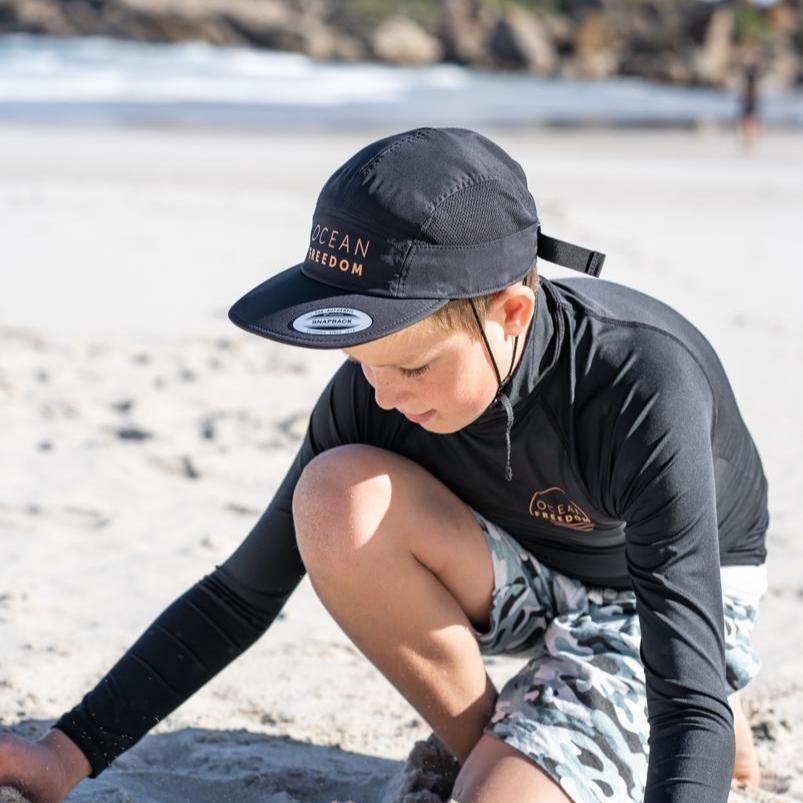
CANSA advocates a multi-layered approach to sun protection: seeking shade, wearing protective clothing, and applying broad-spectrum SPF regularly. Integrating sunscreen into your daily routine even in March supports those guidelines and reduces cumulative risk over time.
For retailers, this shift in consumer understanding is significant. As more South Africans become aware that March UV levels remain high, sunscreen moves from being a “holiday product” to a daily skincare essential. Education supports behavioural change. Behavioural change supports consistent, year-round purchasing patterns.
For individuals, the message is simpler.
Autumn light may feel gentler. But the UV index tells the real story.
Protection should not depend on how warm the day feels. It should depend on science. And the science is clear: uv
Because here, sun season does not end with summer.
Find out more about sunscreen options here: https://oceanfreedom.com/collections/all